Signs of Addiction: What to Look For
Addiction rarely announces itself. It shows up in patterns across behavior, body, and mood. Knowing the warning signs helps families in Monmouth County act before a crisis.
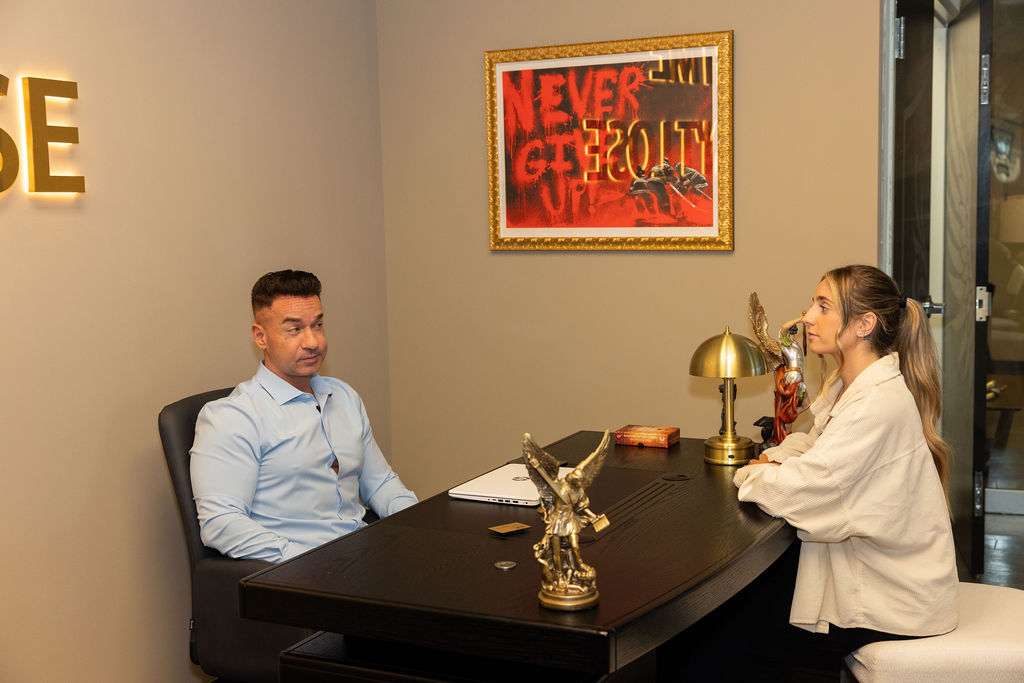
How addiction reveals itself
A substance use disorder is a medical diagnosis with defined criteria, but for families the first clues are usually changes in everyday life rather than a clinical checklist. People struggling with addiction often go to great lengths to hide it, so the early signs can be subtle and easy to explain away. Recognizing the broader pattern is what matters most.
Clinicians at The Archangel Centers in Tinton Falls assess addiction across several dimensions: behavioral changes, physical symptoms, psychological shifts, and the impact on a person's roles and relationships. No single sign confirms addiction, but a cluster of them appearing together is a strong reason to seek a professional evaluation.

Behavioral warning signs
Behavioral changes are often the first thing loved ones notice. They reflect how the substance has begun to reorganize a person's priorities, time, and relationships around use.
- Withdrawing from family, friends, and activities once enjoyed
- Secrecy, lying, or defensiveness about whereabouts and activities
- Neglecting responsibilities at work, school, or home
- Financial trouble, borrowing money, or items going missing
- New friend groups centered on substance use
- Continued use despite clear negative consequences
- Risky behavior such as driving under the influence

Ready to take the first step?
Admissions available 24/7. Most insurance accepted. Same-week start.
Physical warning signs
Addiction takes a visible toll on the body over time. The specific physical signs vary by substance, but several appear broadly across different types of substance use disorders.
- Noticeable changes in weight, appetite, or sleep patterns
- Bloodshot eyes, dilated or pinpoint pupils, or frequent nosebleeds
- Decline in grooming and personal hygiene
- Slurred speech, tremors, or impaired coordination
- Unexplained marks, burns, or injuries
- Building tolerance, needing more of the substance for the same effect
- Withdrawal symptoms such as nausea, sweating, or shaking when not using
Psychological warning signs
Addiction reshapes mood, motivation, and thinking. These psychological signs frequently overlap with co-occurring mental health conditions, which is one reason a professional assessment is so important rather than guesswork.
- Sudden mood swings, irritability, or angry outbursts
- Anxiety, paranoia, or unexplained agitation
- Periods of unusual euphoria followed by crashes
- Loss of motivation and a flat, disengaged affect
- Preoccupation with obtaining and using the substance
- Cravings that dominate attention and decision-making
When the signs point to treatment
The clinical definition of a substance use disorder centers on a loss of control: continuing to use despite harm, unsuccessful attempts to cut back, and use that crowds out the rest of life. When you see that pattern, professional help is warranted. You do not need to wait for a rock-bottom moment, and waiting often makes recovery harder.
If you recognize these signs in yourself or someone you love in Monmouth County, the next step is a confidential assessment. The Archangel Centers offers free, no-pressure evaluations to determine whether a substance use disorder is present and, if so, which level of care fits. Early intervention consistently leads to better outcomes than waiting for a crisis.
Frequently Asked Questions
How can I tell the difference between heavy use and addiction?
What if my loved one denies having a problem?
Are the signs of addiction the same for every substance?
Can addiction signs overlap with mental health symptoms?
Do I need to wait until someone hits rock bottom?
How do I get an assessment for myself or a loved one?
Related Programs & Resources
Recognize the Signs, Take the Next Step
If the warning signs sound familiar, a free confidential assessment is the place to start. Call our 24/7 admissions team or verify your insurance online in Monmouth County.
(888) 464-2144Verify Your Insurance