Al-Anon: Free Support for Families Affected by Addiction
Addiction affects the whole family, so the family needs support too. Al-Anon is a free, peer-led program built exactly for that, and it is available in Monmouth County and across New Jersey.
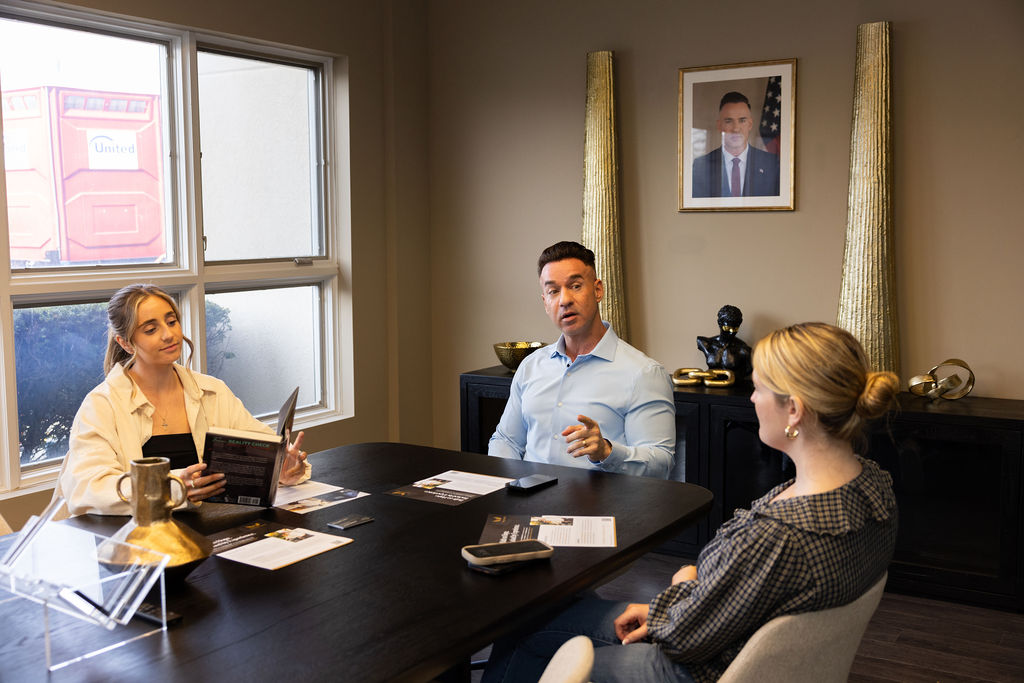
What Al-Anon is
Al-Anon Family Groups are a worldwide fellowship for the relatives and friends of people affected by someone else's drinking or drug use. Al-Anon is free. It is anonymous. It is available in almost every community in person, and online meetings run around the clock. It is not therapy, not treatment, and not affiliated with any religious organization or treatment provider. It is mutual support: people who understand the experience sitting in the same room, sharing what they have lived and what has helped.
Al-Anon was founded in 1951 by the wives of Alcoholics Anonymous members who needed a parallel community for their own recovery. Today it serves millions of people in more than 130 countries and has expanded well beyond families of people with alcohol use disorder to include families and friends of anyone with a substance use problem.
The core insight of Al-Anon is straightforward and, for most families, takes time to absorb: you did not cause the addiction, you cannot control it, and you cannot cure it. What you can do is find peace, perspective, and your own path forward, regardless of what your loved one chooses. For many families, Al-Anon is the first place they feel genuinely understood and the first place they realize their own recovery is possible and necessary.
How Al-Anon helps families
Families affected by addiction often carry a specific and isolating burden: they cannot talk honestly about what is happening with most of the people in their lives, because the stigma of addiction is still real and the story is not entirely theirs to tell. They may have spent years managing crises, making excuses, and living in a state of chronic low-level emergency. Many feel ashamed, exhausted, confused about what helping actually looks like, and uncertain whether they are part of the problem or part of the solution.
Al-Anon addresses this directly. The program provides a community of people who genuinely understand the specific dynamics of loving someone with addiction. The meetings are structured but informal. There are no dues. No one tells you what to do. People share their own experience and others listen. The program is built around the Al-Anon literature, which includes the Twelve Steps adapted for family members, readings, and guides for specific situations.
- Community with others who understand from personal experience, not theory
- Tools for detaching with love: caring deeply without taking responsibility for another person's choices
- Relief from the isolation, shame, and secrecy that addiction brings to families
- A framework for focusing on your own wellbeing rather than organizing your life around someone else's crisis
- Practical guidance on setting boundaries and responding rather than reacting
- Support that continues whether or not the person with addiction pursues treatment
- Free, available locally and online, no insurance required
Ready to take the first step?
Admissions available 24/7. Most insurance accepted. Same-week start.
What a meeting is actually like
For anyone who has never been to a twelve-step meeting of any kind, the experience can feel opaque from the outside. A typical Al-Anon meeting runs about an hour. Attendance is usually somewhere between a handful and thirty or forty people, depending on the meeting and the location. Some meetings are in church basements or community rooms. Some are on Zoom. A chairperson opens the meeting and reads from approved Al-Anon literature. Then the group shares, either following a format or in open discussion.
There is no pressure to speak. Many people attend for weeks or months before they say anything, and that is entirely normal and respected. People use first names only. What is said in the meeting stays in the meeting. There is no therapist facilitating, no fee at the door, and no obligation to commit to anything. You can show up once and never return, or you can come every week for years. The format is designed to be accessible to people who are in the middle of a crisis and may not have the capacity for anything requiring much coordination.
Alateen is a parallel program for teenagers affected by a family member's addiction. It runs its own separate meetings, specifically for young people, with adult volunteer sponsors in attendance.
How to find Al-Anon meetings in Monmouth County and NJ
Al-Anon meetings in New Jersey are listed at the New Jersey Al-Anon Information Service website and through the main Al-Anon website at al-anon.org. The online meeting finder allows you to search by zip code or city for in-person meetings and lists virtual meeting options that are available around the clock.
For Monmouth County specifically, meetings have historically been available in communities including Red Bank, Long Branch, Freehold, Asbury Park, and Tinton Falls, among others. Meeting schedules change, so the current listing through al-anon.org or the New Jersey Al-Anon Intergroup is the most reliable source for active meeting times and locations. Do not rely on information that is more than a few months old; schedules shift.
Online Al-Anon meetings are a good starting point if in-person attendance feels like too much initially. The main Al-Anon website lists English-language online meetings available throughout the day and evening. Several meet daily, and many are open to newcomers with a specific welcome.
The Archangel Centers family program connects families with Al-Anon and other community resources as part of our broader support for families of clients in treatment. If you are unsure where to start, our admissions team can point you toward local resources that fit your situation.
Al-Anon and professional treatment: how they fit together
Al-Anon and professional family therapy are not the same thing, and they work well together. Al-Anon is peer-led and free. Family therapy is clinically structured and, in most cases, covered by insurance. They address different needs and reinforce each other.
Many family members attend Al-Anon while their loved one is in active treatment and continue long after treatment ends. They also work with family therapists, attend family sessions at the treatment center, and engage with alumni programming. None of these replace the others. The family healing process is usually long and layered, and drawing on multiple sources of support is not excessive; it is realistic.
Lauren Sorrentino, who leads family and alumni programming at The Archangel Centers and who has direct personal experience on the family side of recovery, describes this clearly: the family members around someone in treatment often need as much support as the person in treatment, and they rarely get it. Archangel's family program is designed to change that, not as a peripheral add-on but as a genuine clinical priority.
Frequently Asked Questions
Is Al-Anon the same as AA?
Does my loved one have to be in AA or treatment for me to attend Al-Anon?
Is Al-Anon religious?
Are there Al-Anon meetings in Monmouth County, NJ?
What is Alateen?
How is Al-Anon different from family therapy?
Talk With Our Admissions Team
Call our 24/7 admissions team or verify your insurance online. We will help you understand your options and the right level of care at The Archangel Centers.
(888) 464-2144Verify Your Insurance